How to Find and Approach Investors (Angels and VCs)
How to find and approach angel investors and VCs — where to find them, how to get warm intros, and how to reach out, with 2026 global and India tactics.

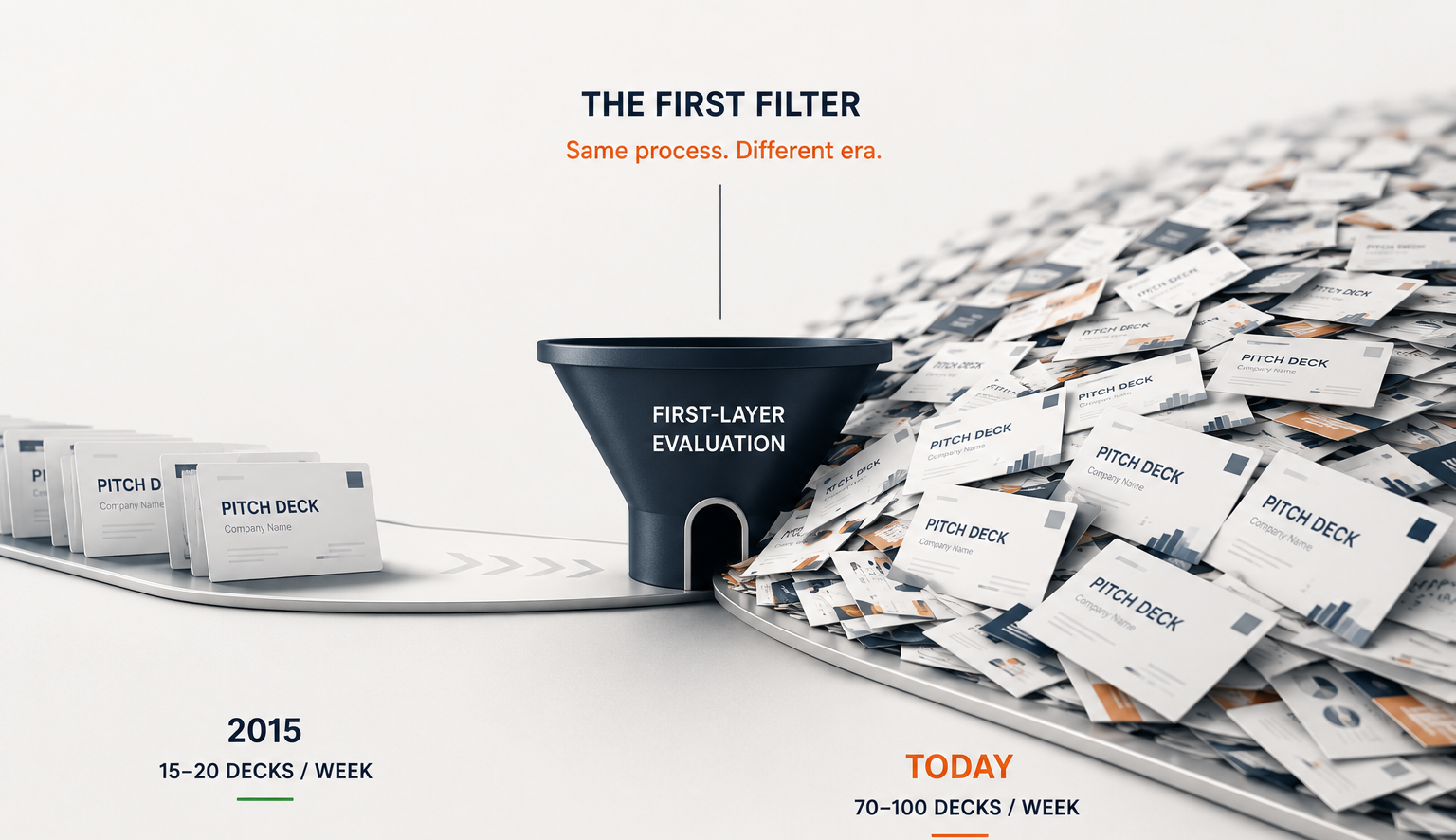
Finding investors is no longer the hard part. Between platforms, networks and LinkedIn, any founder can build a list of hundreds of relevant investors in an afternoon. The hard part is getting one of them to take you seriously in the 30 minutes you get — and knowing which investors to approach in the first place.
Here's how to find and approach angel investors and VCs in 2026: who to target, where to find them and how to get in the door.
Key takeaways
- Angels write small personal cheques and decide fast; VCs write larger fund cheques with formal diligence. Match your stage to the right type.
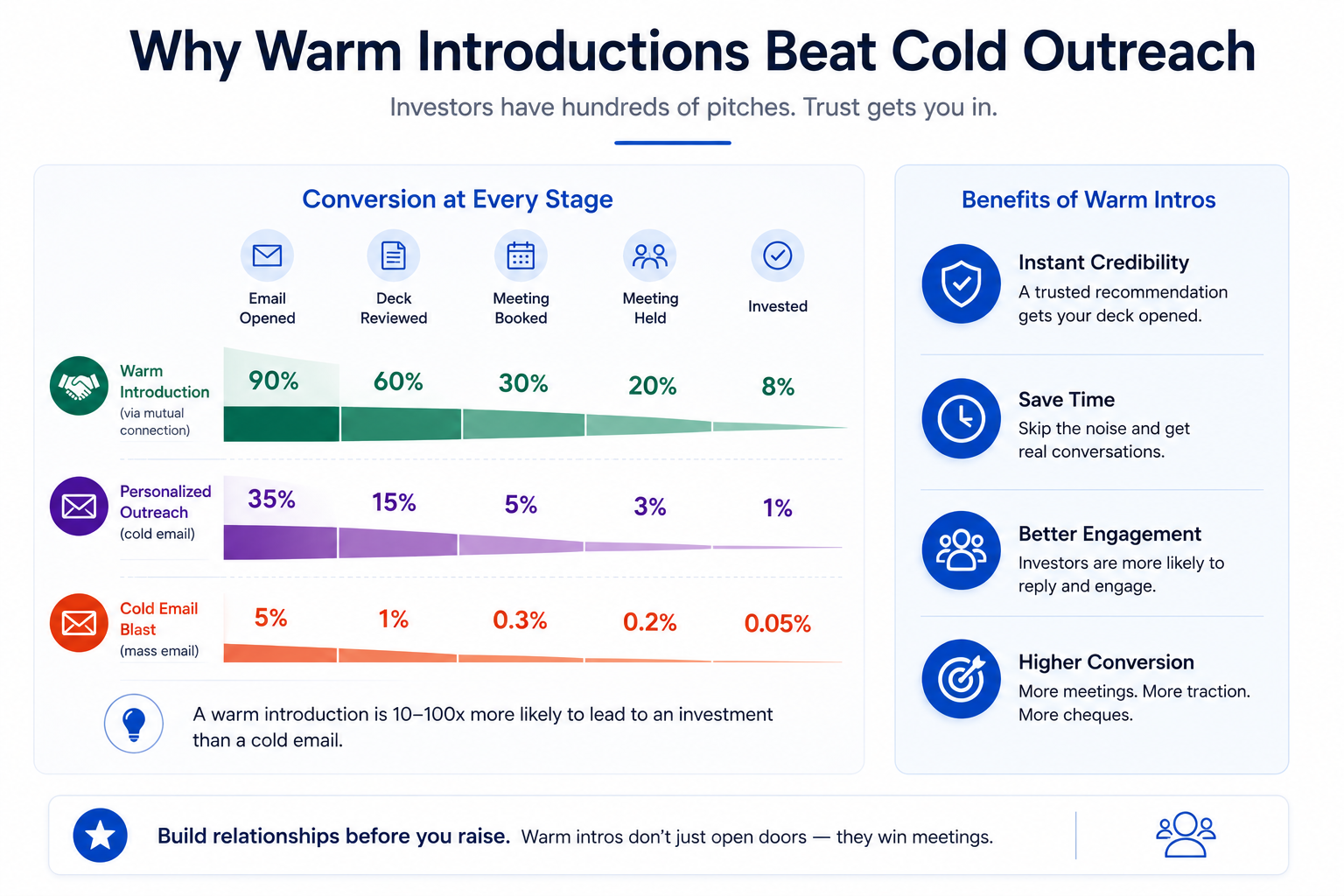
- Warm introductions consistently convert best — cold email sits at the bottom of the table.
- Target investors by stage, sector and geography, not a generic "top investors" list.
- Discovery is easy; proof and preparation are what actually win the meeting.
How do you find and approach investors?
You find and approach investors by targeting the ones who match your stage, sector and geography, reaching them through warm introductions wherever possible and arriving with proof rather than just a deck. A precise list of 100 well-matched investors reached through mutual connections beats a cold blast to 500 names every time.
The order matters: figure out who fits, find the warmest path to them and only then reach out. Founders who invert that order — mass-emailing before they've matched or prepared — burn their list and their reputation at once.
Angel investors vs VCs: who should you approach?
Approach angels when you're earliest and need speed; approach seed VCs when you need a larger, single cheque. An angel typically writes a personal cheque of roughly $10K–$100K (in India, commonly ₹10 lakh–₹75 lakh), decides in one to three meetings and runs little formal due diligence. A seed VC writes a fund cheque of roughly $500K–$3M, takes three to six meetings, runs formal diligence and may take 60–90 days to close (SeedForge, 2026).
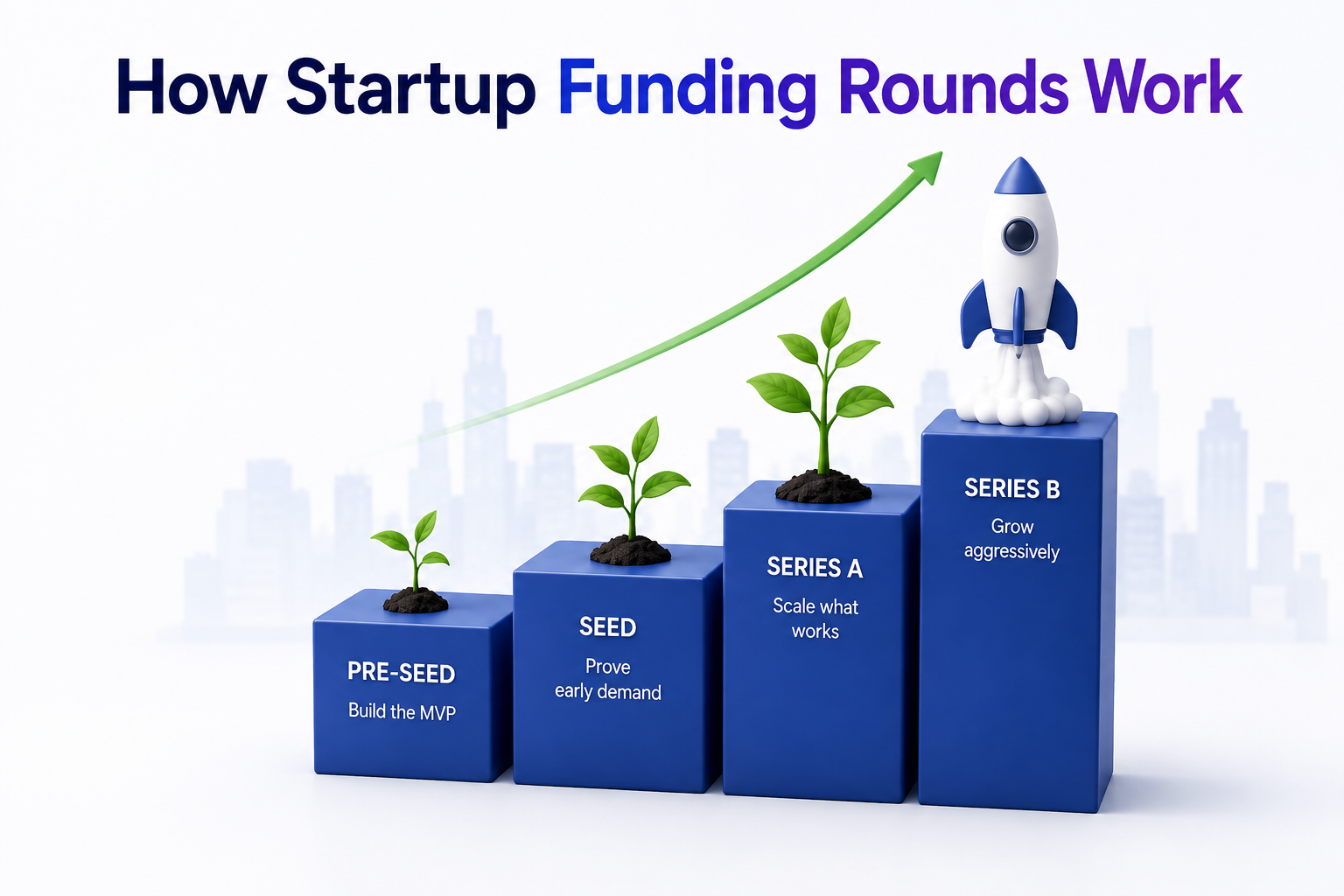
At pre-seed you might fill a whole round from angels. At seed, a VC lead often anchors the round while angels and syndicates fill it. Knowing which you need tells you where to spend your time.
Where do you actually find investors?
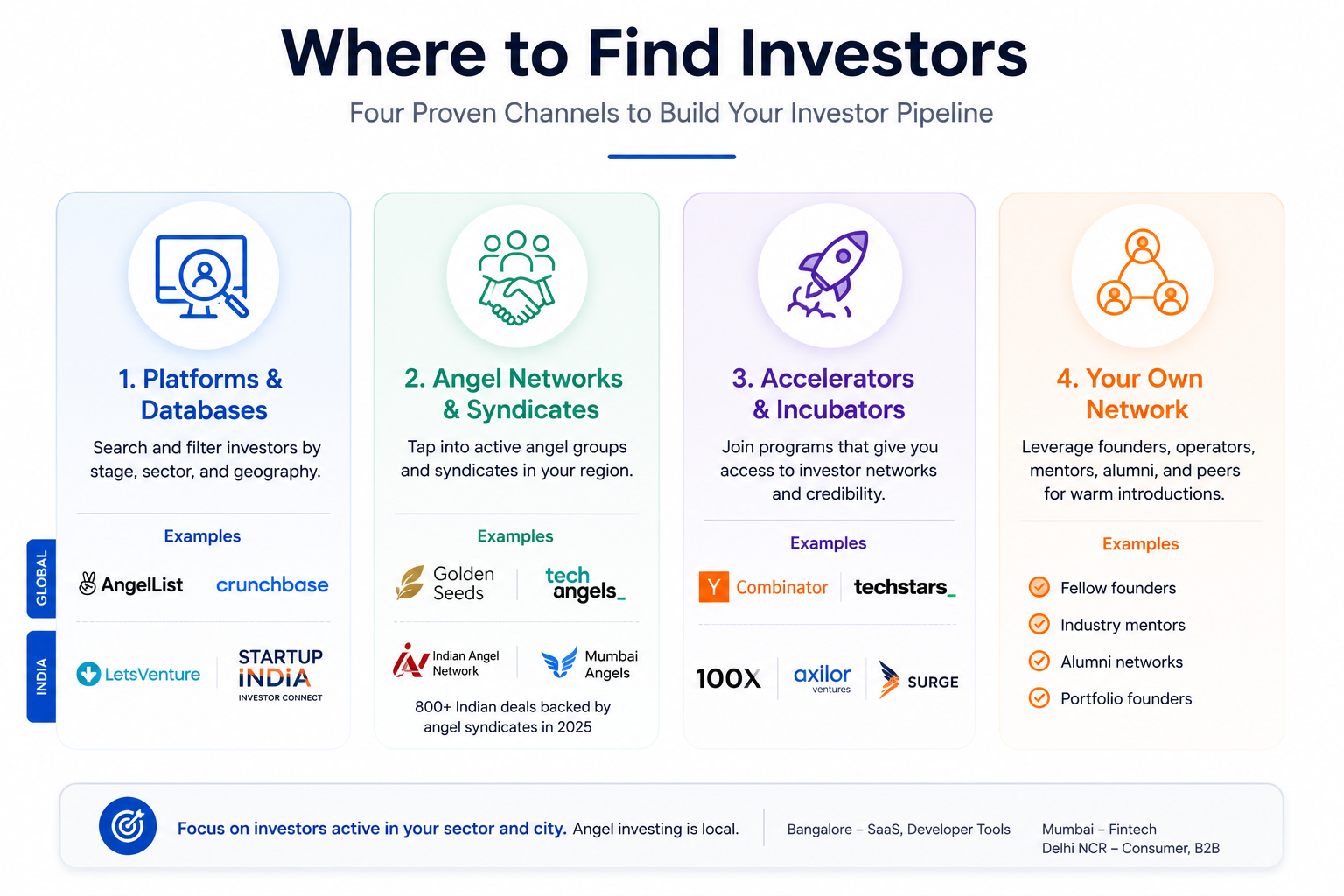
You find investors through four reliable channels: investor platforms, angel networks, accelerators, and your own network. Each has a global and an Indian version:
- Platforms and databases: AngelList, OpenVC, Crunchbase, Gust and LinkedIn let you filter by stage, sector and geography. In India, LetsVenture and AngelList India are widely used, with the government's Startup India Investor Connect portal for matchmaking.
- Angel networks and syndicates: globally, organised groups and syndicates run pitch events and pool cheques. In India, established networks include Indian Angel Network, Mumbai Angels, Chennai Angels and Venture Catalysts — angel syndicates alone backed 800+ Indian deals in 2025 (Backrr, 2026).
- Accelerators: programs like Y Combinator, Techstars and — in India — 100X.VC, Axilor and Surge give founders direct access to large investor networks with a credibility signal attached.
- Your own network: other founders, operators, mentors and alumni are the source of the warm intros that convert best.
Angel investing is highly localised — Bangalore skews SaaS and developer tools, Mumbai fintech, Delhi NCR consumer and B2B, so prioritise investors active in your city and sector.
Why warm introductions beat cold outreach
Warm introductions convert far better than cold email, consistently, across every published pattern on how investors source deals. Investors see hundreds of pitches; a recommendation from someone they trust creates instant credibility and gets your deck actually opened. Cold email sits at the bottom of the conversion table — it works only when your traction is genuinely exceptional.
So the highest-leverage fundraising work often happens before the raise: building relationships you can activate when the time comes.
How to get a warm introduction
Get a warm introduction by mapping your existing network to your target list and making the intro effortless for the connector. For each investor, look for a mutual connection, a portfolio founder, a shared mentor, an alumnus — through LinkedIn or the investor's portfolio page. Then hand your connector a ready-to-forward blurb: one line on what you do, your best traction highlight, and a link to your deck.
A softer path also works: reach out for genuine advice on a specific problem rather than money. It builds a real relationship before any formal ask, and investors are far more receptive to it than a pitch from a stranger.
How to reach out cold (when you have to)
When you have to go cold, make every message specific, personal and grounded in traction. Reference a particular portfolio investment and why you fit it. A workable structure is a short three-touch sequence: a first note with a tight hook and a clear ask, a follow-up that adds a relevant metric or update, and a final short meeting request. Personalised cold outreach converts many times better than mass blasts — and skip the NDA request, which signals inexperience since professional investors rarely sign one to hear a pitch.
How many investors should you contact?
Plan to contact far more investors than the number of cheques you need. For a typical seed round, founders reach out to 200+ investors, which funnels to roughly 60+ first meetings, 20–30 follow-ups, 5–7 diligence processes and 1–2 term sheets (NYU Entrepreneurship, 2025). Fundraising is a numbers game layered on top of a matching game — the volume only works if the list is well-targeted.
The mistake founders make when approaching investors
The most common mistake is spraying a generic pitch across a huge, unmatched list before the story is ready. It feels productive, but it burns your best relationships on a weak first impression, and investors remember. The fix isn't more outreach; it's better matching and better preparation.
That preparation is where meetings are won or lost. The questions that end pitches are usually follow-ups, not the ones you rehearsed. Running your pitch against tough, investor-style questioning beforehand, for example with Startup Pitch Analyser, helps you walk into a hard-won intro ready, instead of discovering the gap live.
Frequently asked questions
What's the difference between an angel investor and a VC?
An angel invests personal money in small, fast cheques with little diligence; a VC invests a managed fund's money in larger cheques with formal diligence and a longer process.
How do I find angel investors in India?
Start with established networks and platforms — Indian Angel Network, Mumbai Angels, LetsVenture, AngelList India — and the Startup India Investor Connect portal, prioritising investors active in your city and sector.
Do warm intros really matter that much?
Yes. Across investor deal-sourcing patterns, warm introductions consistently convert best and cold email worst. Building intro paths is often the highest-leverage part of a raise.
How many investors should I contact for a round?
For a seed round, plan on 200+ targeted investors to reach 1–2 term sheets (NYU Entrepreneurship, 2025).